
Blake Snell is okay!
In a 2-1 extra innings win over the Colorado Rockies, Blake Snell abandoned his slider and turned into the pitcher the Padres were hoping for when they traded for him.

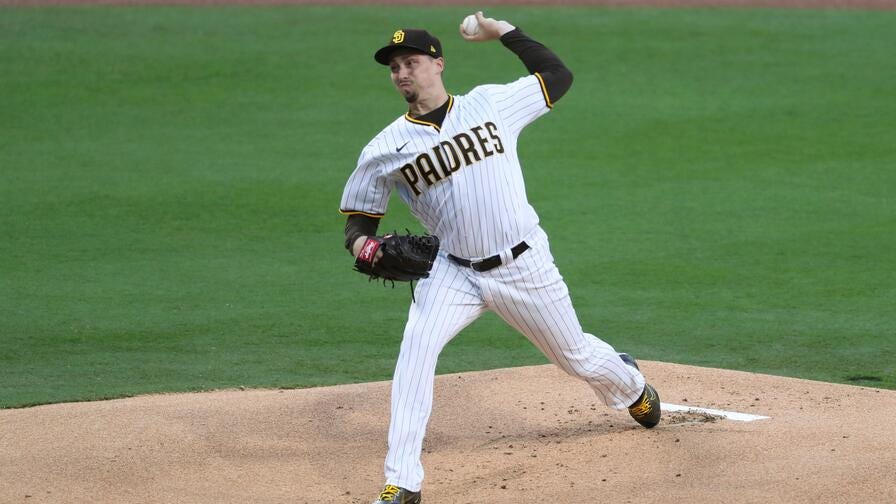
We all knew that Blake Snell was working on his game and trying to get back into his 2018 Cy Young Award-winning form. Some of us also knew that Snell was occasionally taking to Twitch to play video games and make fun of those that didn’t realize how close he was to doing it.
Still, it was somewhat surprising when Snell showed up yesterday in a way that we hadn’t seen since being traded to the Padres from the Rays. I don’t know if this is a sign of things to come with him or if the Colorado Rockies are just that bad, but it was incredible to watch either way.
Power pitcher
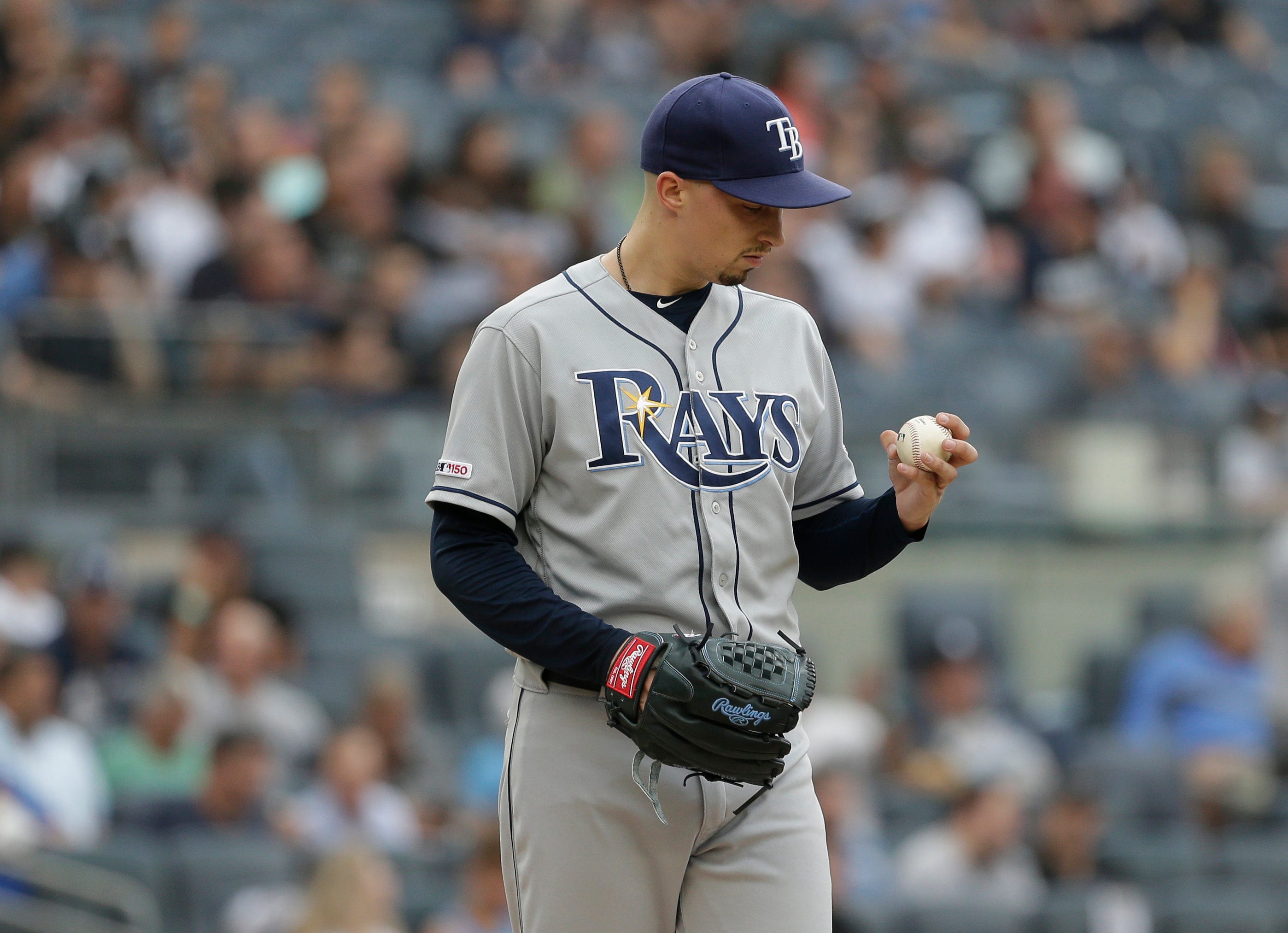
When I dug into Snell’s statcast page last week, I came to an oversimplified conclusion: He either needed to start throwing the slider for strikes or he had to stop throwing the slider.
He was having such a hard time getting it in the zone, but was still throwing it 23% of the time, and it was leading to the high walk rate and high pitch counts.
My guess was that he’d start throwing it in the zone, but nope! Snell or the team decided a better route was to throw the slider, and the changeup less. As a result, he had to throw more fastballs against the Rockies.
Before this game, Blake was throwing his fastball 43.7% of the time. In this one, he threw it 59% of the time.
And it was really that simple. Working like a fastball-dominant power pitcher, Snell was able to stay in the zone (1 walk!) and stay in the game (6 innings!).
This is how he pitched in that famous 2018 season, heavy on the fastball (high 90s, up in the zone) with curveball being his main secondary pitch.
No wasted pitches
Outside of the times when Snell would try and hump up the velo, and occasionally lose it high as the result of an overthrow, his fastball mostly just stayed in the zone.
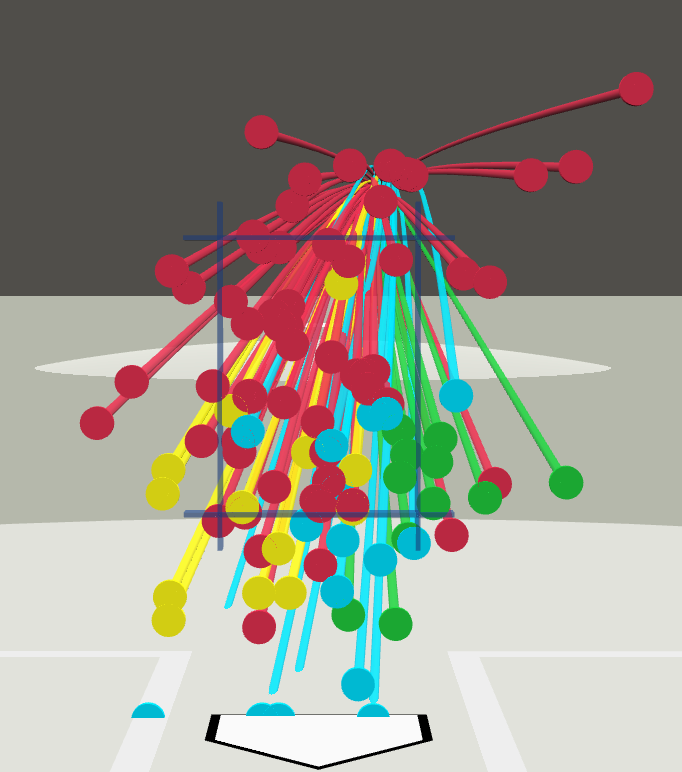
You can see that he had much better control with the fastball (red) than any breaking pitches. The curve (blue) he was able to throw both for strikes and in the dirt for some silly swing-and-misses.
I’m less sure why Snell threw the changeup (green) so much less, about half what he usually does, because he was getting it where he wanted it (in the corner of the strike zone). This seems like a choice made by the coaching staff, who probably saw that hitters are batting over .300 against the Snell’s changeup this year.
You can see that the slider (yellow) was once again not going for strikes, so it became a weapon only after Blake had pitched to 2-strike counts. That’s probably what it has to be, going forward.
Pitching deeper
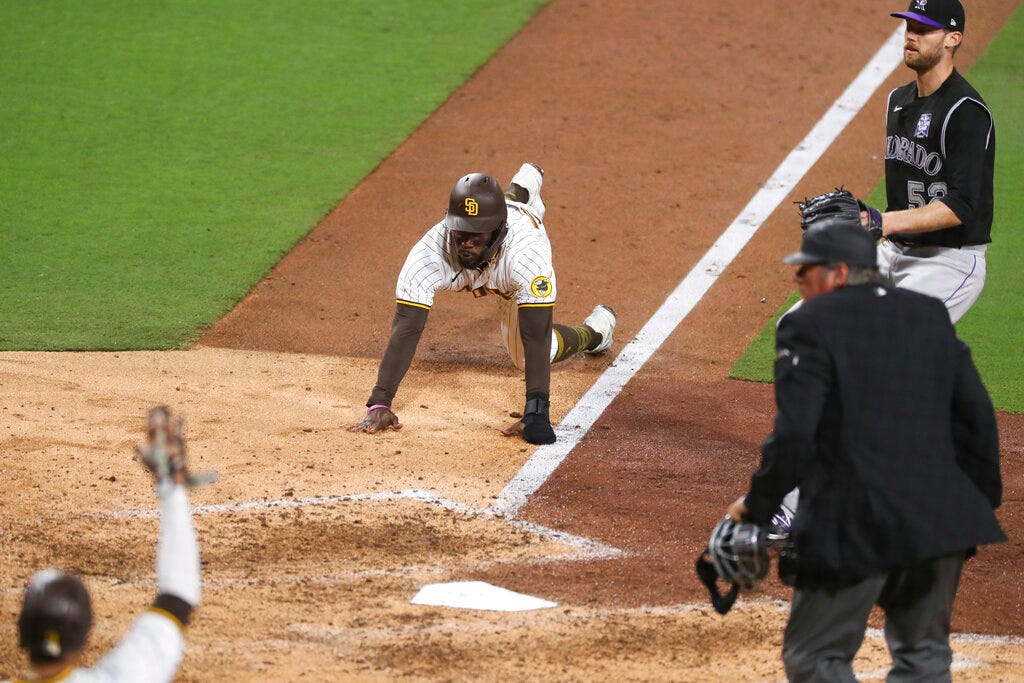
By focusing on the fastball, and throwing it for strikes, Blake was able to do a few different things for the first time as a San Diego Padre:
First time pitching 6 innings in a start
Highest pitch total (97)
First start with less than 2 walks
Most strikeouts (11) with Padres
Lowest groundball rate of the season
Those last two bullets are the most interesting. Instead of trying to beat hitters with movement, Snell turned into a pitcher that beat them with speed and power. Instead of trying to get groundballs, Snell got strikeouts.
To put it bluntly, Blake Snell looked like a different pitcher yesterday than the one we saw in his first 8 starts with the San Diego Padres and there’s a lot of reason to believe that this is the guy he’ll be going forward.
MISSING: Tim Hill
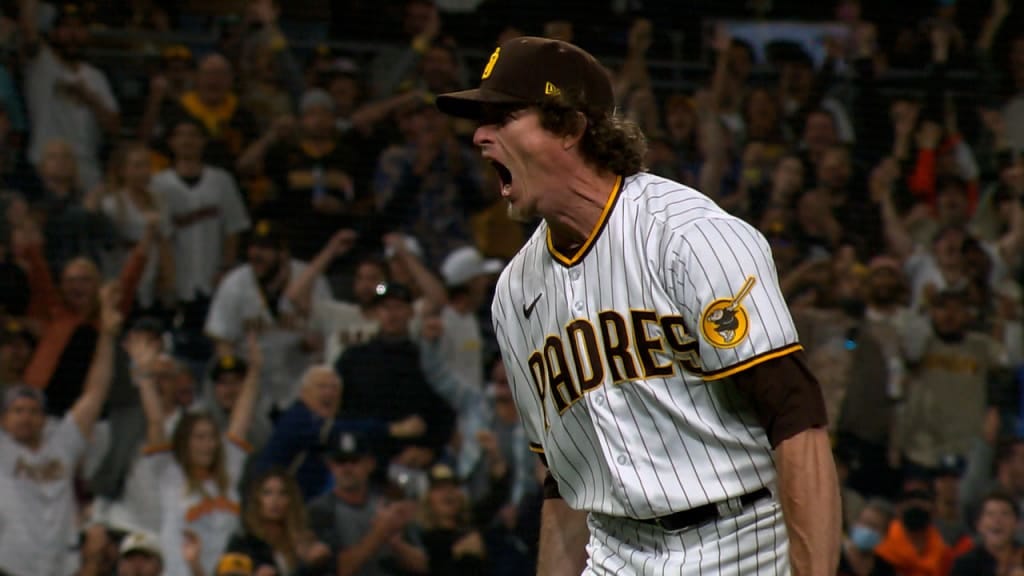
This isn’t really related to Blake Snell, but where the heck is Tim Hill? I think I saw him warming up in the bullpen towards the end of the Padres’ 2-1 win in the 10th inning, but I was thinking of him long before that.
After being the most valuable pitcher out of the bullpen not named Mark Melancon for the first month of the season, Tim Hill hasn’t pitched in a week.
The last time we saw him, he came in to a game at Coors Field and gave up 3 hits (and 2 runs) while only getting 1 out. It looked bad. The fact that he hasn’t pitched since then makes me wonder if maybe he has some arm soreness that they’re trying to deal with by resting him as much as possible.
There’s not a lot of other explanations for why one of your most effective relievers disappears from the bullpen mix. And with Keone Kela and Drew Pomeranz out with injuries, the team would normally need him more now.
Luckily for the Padres, their starters are handling business and going later into games, so it hasn’t been a big deal yet. But it will be at some point, so I really hope that Tim Hill is okay.